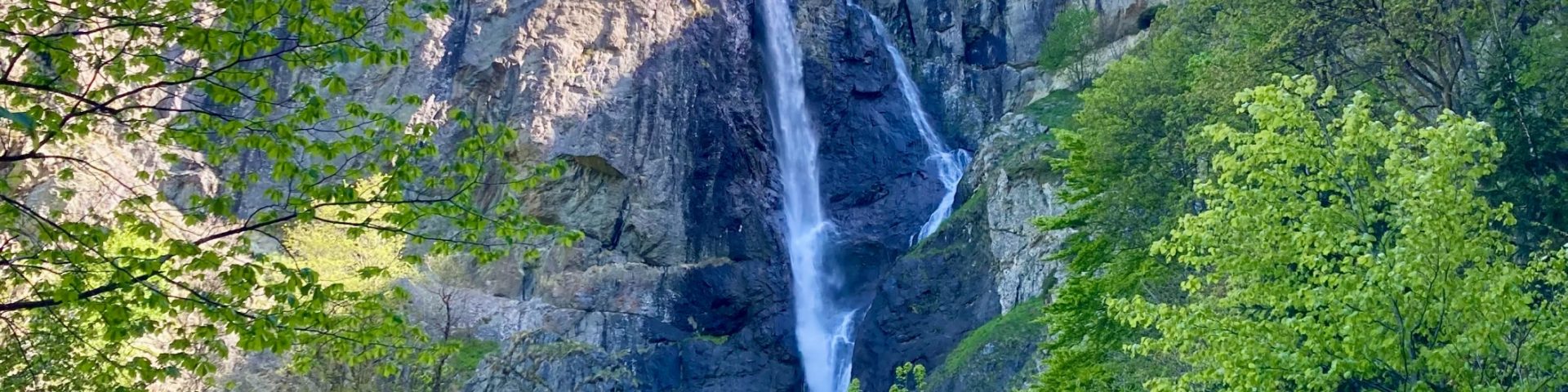
Volunteering for a year, is a unique opportunity to truly get to know a place or country. You learn its seasons, people and landscapes. When I first arrived in the small Bulgarian village of Shipka, at the foot of the Stara Planina mountains, I wanted to get to know the place as quickly as possible.
What is Bioregional living?
Bioregionalism is the idea that we should root our lives in the natural characteristics of the place we live in. Instead of thinking in terms of borders drawn on a map, bioregional living asks: Where does the water come from? What grows here? What traditions came from this land?
It is about aligning with the ecological, cultural and seaonal realities of a region, so that human activity becomes regenerative rather than extractive.
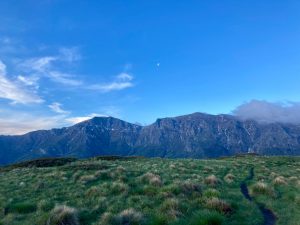
The Bioregion of Shipka
Shipka lies in the Valley of the Roses, between the Balkan range and the Sredna Gora mountains. There are rivers running down from the mountain into shipka and springs providing drinking water. The soil is fertile, the summers hot and dry and the winters cold.
The native trees in the mountains are beech and oak. In the valley there are fiels of lavender, sunflowers and of course, the famous roses. There are orchards of plums, cherries, pears and apples.
To live bioregionally here means knowing that your water comes from mountain springs, noticing the arrival of the storks in the spring and that June is the month when the linden trees bloom.
A year of learning
Spending twelve months volunteering in Shipka gave me time to discover the bioregion through paying attention throughout the seasons.
I arrived at the end of summer, so the first season that I really experienced here was the autumn. >Because of the storm in Shipka in June 2024 there was hardly any fruit. But in other places in Bulgaria there where a lot of apples, persimmons (called ‘paradise apples’ in Bulgarian), walnuts, chestnuts and mushrooms.
In the winter life slowed down. Cooking on a wood stove, baking bread from locally grown flower of limits and rye, eating preserved peppers, grape leaves and other vegetables.
Then spring came and everything turned green. Nettles, dandelions, sorrel, and other wild greens appeared. Time for starting the gardens. The rain nourished the land, bringing fresh growth. By late spring the roses bloomed and we joined some locals for early morning rose-picking in the fields. 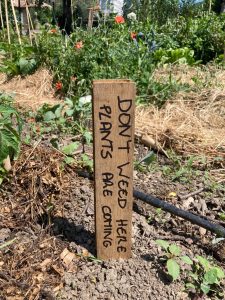
The summer was hot and dry, demanding watering the gardens and orchards with water from the river. it was also time to preserve the abundance of figs, zucchini and cornelian cherries. In the summer there are a lot of festivals going on in Bulgaria centered around music, crafts and traditions.
Not only in Shipka but in the whole of Bulgaria there are still a lot of traditions close to the rhythms of the land. I found this nice to see.
Lessons from the Village
Living in Shipka showed me that sustainablility is not only about modern solutions or global policies – it’s about beloning to a place. It is about knowing the plants that grow around you, the birds that return each year, the soil that feeds you, and the stories you hear from the people around you.
Volunteering here was more than just the work. It was learning how to live with a land, not just on it. Gardening, tending orchards, harvesting, seeding and walking in the mountains all became ways of learning the language of the place.
Volunteering here taught me that to live bioregionally is to root yourself in a landscape – to let the land shape your habits, your food, your celebrations, and even your sense of time. It is not a return to the past, nor an idealized perfection, but a living practice of connection. And it learned me that every valley, every village, every spring has its own story, waiting to be learned by those who take the time to listen. I think that learning to live within those stories may be an important step toward a sustainable future.
So wherever we are, we can ask: Where does my water come from? What grows here? What are the native plants? What stories belong to this land? In learning to answer these questions, we begin to live more deeply connected and more sustainably.
Again Tirsa the way you write and tell your experiences about your stay and work in Bulgaria is top I enjoyed reading your column