Soil is the foundation of life. In permaculture and regenerative agriculture, soil is not only a medium for plant growth but a dynamic, living ecosystem that sustains biodiversity, captures carbon and ensures long-term fertility. Understanding and nurturing soil health is central to creating resilient and productive landscapes.

The soil microbiome: The heart of soil fertility
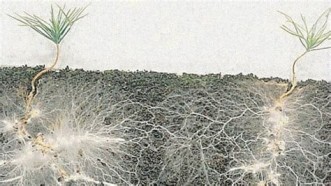
Healthy soil is full of microbial life. Bacteria, fungi, protozoa, nematodes, and other microorganisms play crucial roles in breaking down organic matter, cycling nutrients, and enhancing soil structure. Beneficial microbes help plants access essential nutrients, boost resilience againts pathogens, and improve overall soil fertility. Mycorrhizal fungi, for instance, extend root networks and facilitate nutrient exchange, significantly increasing plant health and growth.
These fungal hyphae create an underground network known as the ‘wood wide web’. The fungi absorb water and nutrients (phosphorus and nitrogen) from the soil and transport them to plants. In return plants provide the fungi with sugars and carbohydrates produced through photosynthesis. Through this network plants can communicate with each other:
- When a plant is attacked by pests or pathogens, it can send chemical distress signals through the network.
- Plants can share nutrients
This underground fungal network is like nature’s internet for plants: fostering cooperation and resilience in ecosystems.

Fun fact: the mycorrhizal hyphae in just two wheelbarrows of soil could stretch all the way to the moon!
Water retention and drought resistance
Healthy soil acts like a sponge, storing water for dry periods and reducing the risk of drought stress. Organic matter increases water infiltration, prevents erosion and improves soil structure. When soil has high organic matter content, it retains moisture more efficiently, ensuring plants have access to water even in dry conditions.
Mulching and composting improve water-holding capacity while reducing evaporation. Deep-rooted plants and cover crops enhance
soil porosity, allowing water to penetrate deeper into the ground.
How to build soil fertility naturally?
1. Organic matter
Adding organic matter such as compost, mulch and cover crops enhances soil structure and feeds soil life. Having a large variety of plants supports distinct microbial communities, each playing a unique role in soil regeneration. Composting kitchen scraps, manure and plant material creates nutrient-rich humus that enhances soil fertility.
2. No-Till practices
Tilling disrupts the soil microbiome. It breaks up fungal hyphae, destroys soil structure, leading to compaction, erosion and loss of organic matter. Instead permaculture promotes no-dig gardening, where soil layers remain undisturbed, preserving microbial life and allowing natural aeration processes to continue uninterrupted.
3. Cover crops
Cover crops like clover, alfalfa, cowpeas,… not only fix nitrogen and prevent erosion but also release root exudates – organic compounds that feed beneficial soil microbes.
4. Integrate animals
Chicken, ducks, cows, … can contribute to soil regeneration through their manure, which adds nutrients and microbial life.
5. Perennial plants
By maintaing continuous root systems that enhance soil stability and microbial activity. Unlike annuals, which require replanting each year, perennials establish deep roots that:
- Improve soil aeration and water retention, reducing erosion and compaction
- Support mycorrhizal fungi, fostering nutrient exchange between plants
- Storing carbon in root biomass and soil
Examples of beneficial perennials incluse fruit trees, berry bushes, comfrey and nitrogen-fixing plants like clover and alfalfa.
Building a regenerative future
Healthy soil is the cornerstone of a thriving ecosystem. By composting, mulching and planting a diversity of species, we actively regenerate soil, support ecosystems and create a more resilient planet for future generations.